
What Happens If Your Commercial Truck Insurance Lapses?
07/01/2026
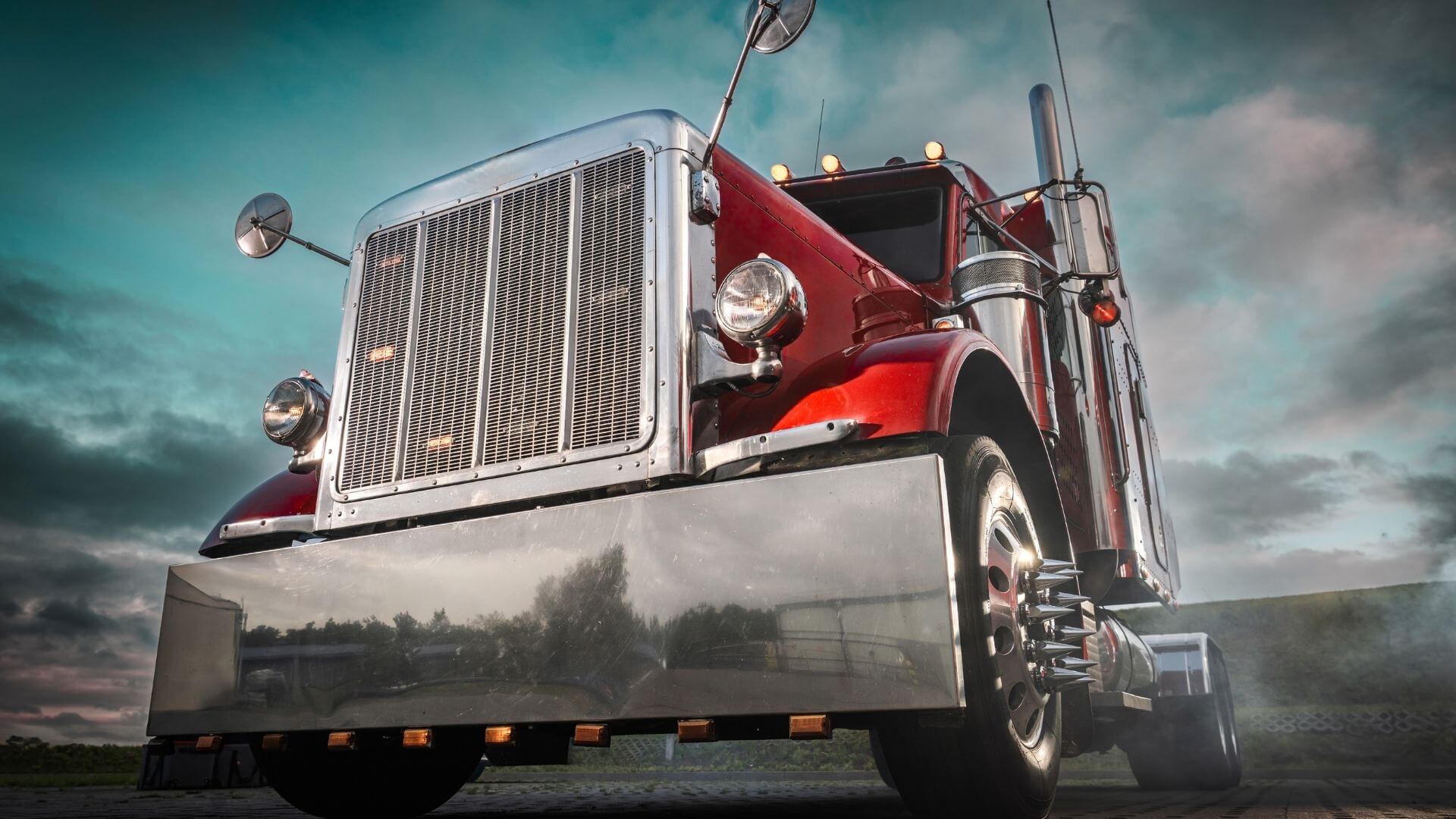
Commercial trucks are the backbone of a trucking business, but keeping them on the road involves more than fuel, maintenance, and reliable drivers. Maintaining the right insurance coverage is also essential. Even a short lapse can expose a trucking company to serious financial and operational consequences.
If you depend on trucking insurance in Stockton to protect your business, understanding what constitutes a lapse—and what can happen afterward—can help you avoid an expensive mistake. Missed payments, renewal problems, changes in underwriting, or administrative oversights can potentially leave a truck without active coverage.
Here's what trucking companies and owner-operators should know.
What Does It Mean When Commercial Truck Insurance Lapses?
An insurance lapse is a period when required or intended coverage is no longer active.
A lapse can occur for several reasons. A policyholder might miss a premium payment, fail to complete a renewal, overlook a cancellation notice, or have a policy canceled or nonrenewed by the insurance carrier.
The important point is that a lapse creates a period in which the protection previously provided by the policy may no longer apply.
Depending on your operation, your commercial trucking insurance program may include several types of protection. Auto Liability coverage, for example, addresses liability exposures associated with operating covered commercial vehicles. Other policies may protect your trucks, cargo, or broader business operations.
A lapse in any necessary coverage can create a gap in that protection.
Can You Drive a Commercial Truck Without Insurance?
Commercial motor carriers generally cannot simply operate without required financial responsibility.
Federal and state insurance requirements can apply depending on the carrier, vehicle, cargo, and operation. Motor carriers subject to Federal Motor Carrier Safety Administration requirements may need minimum levels of financial responsibility and appropriate filings demonstrating coverage.
That means an insurance lapse can become more than a question of whether a future claim will be paid. It may affect whether the business can legally continue operating.
Requirements vary based on the trucking operation, so carriers should verify the specific coverage and filing requirements that apply to them.
Pro Tip: Do not treat the policy expiration date as your reminder to start thinking about renewal. Review your trucking insurance well before expiration so there is time to address payments, paperwork, driver changes, vehicle changes, or underwriting questions.
A Lapse Can Leave Your Business Paying for a Loss
One of the biggest risks of an insurance lapse is straightforward: a loss can happen while your coverage is inactive.
Imagine a truck is involved in a collision during a gap in coverage. Depending on the circumstances, your company could face costs associated with property damage, injuries, legal defense, or damage to its own equipment without the protection you expected from an active policy.
Commercial truck losses can become expensive quickly.
Your own tractor and trailer can represent a substantial investment. Physical Damage coverage can help protect covered equipment against applicable losses, subject to policy terms, limits, deductibles, and exclusions.
Cargo creates another exposure. If goods are damaged or lost during transportation, appropriate Cargo Coverage may be an important part of the trucking company's insurance program.
If applicable coverage has lapsed when the loss occurs, simply purchasing a new policy afterward does not retroactively erase the uninsured period.
Your Authority and Business Operations May Be Affected
For regulated motor carriers, maintaining required insurance filings can be connected to operating authority.
If required coverage is canceled, the insurer may notify the appropriate regulatory agency according to applicable procedures. A carrier that no longer satisfies financial responsibility requirements can face consequences that interfere with its ability to operate.
That can create a chain reaction for a trucking business.
A truck that cannot legally operate cannot generate revenue. Loads may need to be canceled or reassigned. Customer relationships may suffer, and drivers or equipment can sit idle while the insurance issue is resolved.
For an owner-operator or smaller fleet, even a brief interruption can be disruptive.
This is one reason trucking companies should think of insurance as part of their operational planning rather than an expense that is reviewed only when a bill arrives.
A Coverage Gap May Make Future Insurance More Complicated
A lapse can also affect the process of obtaining new coverage.
Insurance carriers evaluate numerous factors when underwriting commercial trucking risks. Those factors can include driving records, claims history, equipment, operating radius, cargo, years in business, and prior insurance history.
A period without continuous insurance may raise additional underwriting questions.
Does a Lapse in Commercial Truck Insurance Increase Your Premium?
It can, but there is no universal amount by which a lapse will change your premium.
Commercial truck insurance pricing depends on many factors, and every carrier has its own underwriting criteria. A coverage lapse may be one factor considered when a new policy is quoted.
That is why maintaining continuous coverage can be valuable even beyond avoiding an uninsured loss.
If your business is approaching renewal and you are concerned about cost, it is usually better to review your options before allowing the existing policy to expire.
KP Delta Insurance can help Stockton trucking businesses review additional coverage options as part of a broader insurance program.
What Should You Do If Your Truck Insurance Has Lapsed?
If you discover that your coverage has lapsed, address it immediately.
First, confirm the policy's status with your insurance agent or carrier. Do not assume that a late payment automatically means the policy remains active or that sending payment automatically reinstates coverage.
Next, determine what is needed to restore coverage or obtain a replacement policy. Depending on the situation, that could involve payment, updated applications, underwriting information, vehicle or driver details, or new insurance filings.
Most importantly, do not assume your trucks are cleared to operate until required coverage and filings are confirmed.
If a loss occurred during the potential lapse period, notify your insurance professional and discuss the specific circumstances rather than assuming whether coverage applies.
Can Lapsed Commercial Truck Insurance Be Reinstated?
Sometimes a carrier may offer reinstatement, but reinstatement is not guaranteed.
Whether it is available can depend on the carrier, policy, reason for cancellation, timing, payment status, and other underwriting considerations. A reinstated policy also does not automatically mean every gap or loss is covered.
You should receive confirmation of the effective date and coverage status before putting a commercial vehicle back into operation.
If you need help reviewing your options, contact KP Delta Insurance as soon as possible.
How Can Trucking Companies Prevent an Insurance Lapse?
Preventing a lapse is usually much easier than dealing with one afterward.
Build insurance into your regular fleet management procedures. Keep contact and billing information current, monitor renewal dates, respond promptly to requests from your agent or carrier, and communicate changes involving trucks, drivers, cargo, routes, or business operations.
It is also worth reviewing coverage before renewal rather than automatically carrying the same insurance forward year after year.
As your trucking business changes, your insurance needs may change with it.
Stockton trucking companies can learn more about KP Delta Insurance and the agency's experience helping trucking businesses evaluate their insurance needs.
Keep Your Trucks Covered and Your Business Moving
A commercial truck insurance lapse can create more than an inconvenient gap in paperwork. It can leave a business exposed to uninsured losses, interfere with required financial responsibility, disrupt operations, and complicate obtaining future coverage.
Maintaining continuous trucking insurance in Stockton is an important part of protecting the vehicles, drivers, cargo, and business you have worked to build.
If your policy is approaching renewal, your operation has changed, or you are concerned about a possible coverage gap, address the issue before your trucks head out on another load. Request a quote from KP Delta Insurance to review your options.
Make sure you and your truck are protected, right here in Stockton.