
Understanding the Basics of Semi-Truck Insurance: A Comprehensive Guide
10/02/2023
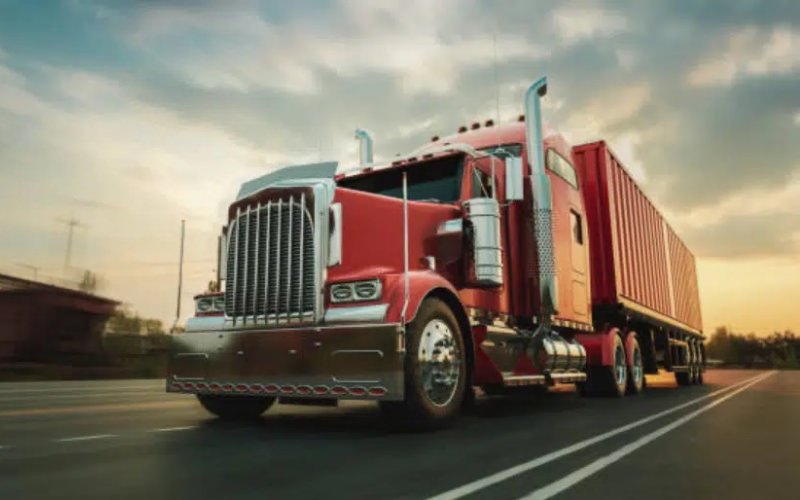
If you own or operate a semi-truck, you're likely aware of the unique risks and challenges that come with the job. From long hours on the road to navigating unpredictable weather conditions, the life of a trucker is not without its share of uncertainties. That's where semi-truck insurance comes into play – it's your safety net on the highway, protecting you, your truck, and your livelihood. In this comprehensive guide, we'll break down the basics of semi-truck insurance, helping you understand what it is, why you need it, and how to make informed decisions about your coverage.
What is Semi-Truck Insurance?
Semi-truck insurance, also known as commercial truck insurance or big rig insurance, is a specialized form of insurance designed to cover the unique risks associated with owning and operating semi-trucks and other commercial vehicles. This coverage goes beyond what typical auto insurance provides because semi-trucks are not just larger versions of personal vehicles; they are essential tools for businesses, often carrying valuable cargo.
Why Do You Need Semi-Truck Insurance?
Legal Requirement: In most states, commercial truck insurance is a legal requirement. Operating a semi-truck without the appropriate insurance coverage can result in fines, penalties, and even the suspension of your commercial driver's license.
Protection for Your Business: Whether you're an owner-operator or part of a larger trucking company, your semi-truck is a valuable asset. Insurance safeguards your investment by covering the costs of repairs or replacement in the event of an accident.
Liability Coverage: Accidents involving semi-trucks can result in significant property damage and bodily injury. Truck insurance provides liability coverage to protect you from potential lawsuits and claims.
Cargo Coverage: If your business involves transporting goods, cargo insurance can protect you from financial losses in case the cargo is damaged, stolen, or lost during transit.
Types of Semi-Truck Insurance
Understanding the basics of semi-truck insurance also involves knowing the different types of coverage available:
Primary Liability Insurance: This is typically required by law and covers bodily injury and property damage to others in the event of an accident where you are at fault.
Physical Damage Coverage: This protects your own truck from damage due to accidents, theft, vandalism, or natural disasters.
Cargo Insurance: Covers the value of the cargo you're transporting in case it's damaged or lost during transit.
Non-Trucking Liability Insurance: Sometimes called "bobtail insurance," this provides coverage when you're using your truck for non-business purposes, like driving home after a delivery.
Umbrella Insurance: This is additional liability coverage that extends beyond the limits of your primary insurance policies, providing extra protection in case of a catastrophic event or lawsuit.
Choosing the Right Coverage
Selecting the right semi-truck insurance coverage depends on factors such as the type of freight you transport, the value of your truck, your driving history, and your budget. It's essential to work with an experienced insurance agent who can help tailor a policy to your specific needs.
In conclusion, understanding the basics of semi-truck insurance is essential for anyone involved in the trucking industry. It's not just a legal requirement; it's a vital safeguard for your business, your truck, and your peace of mind. By investing in the right coverage, you can hit the road with confidence, knowing that you're protected against life's uncertainties on the highway. Contact KP Delta today to get your business insured!