
How to Choose the Right Truck Insurance Coverage for Your Fleet
07/01/2024
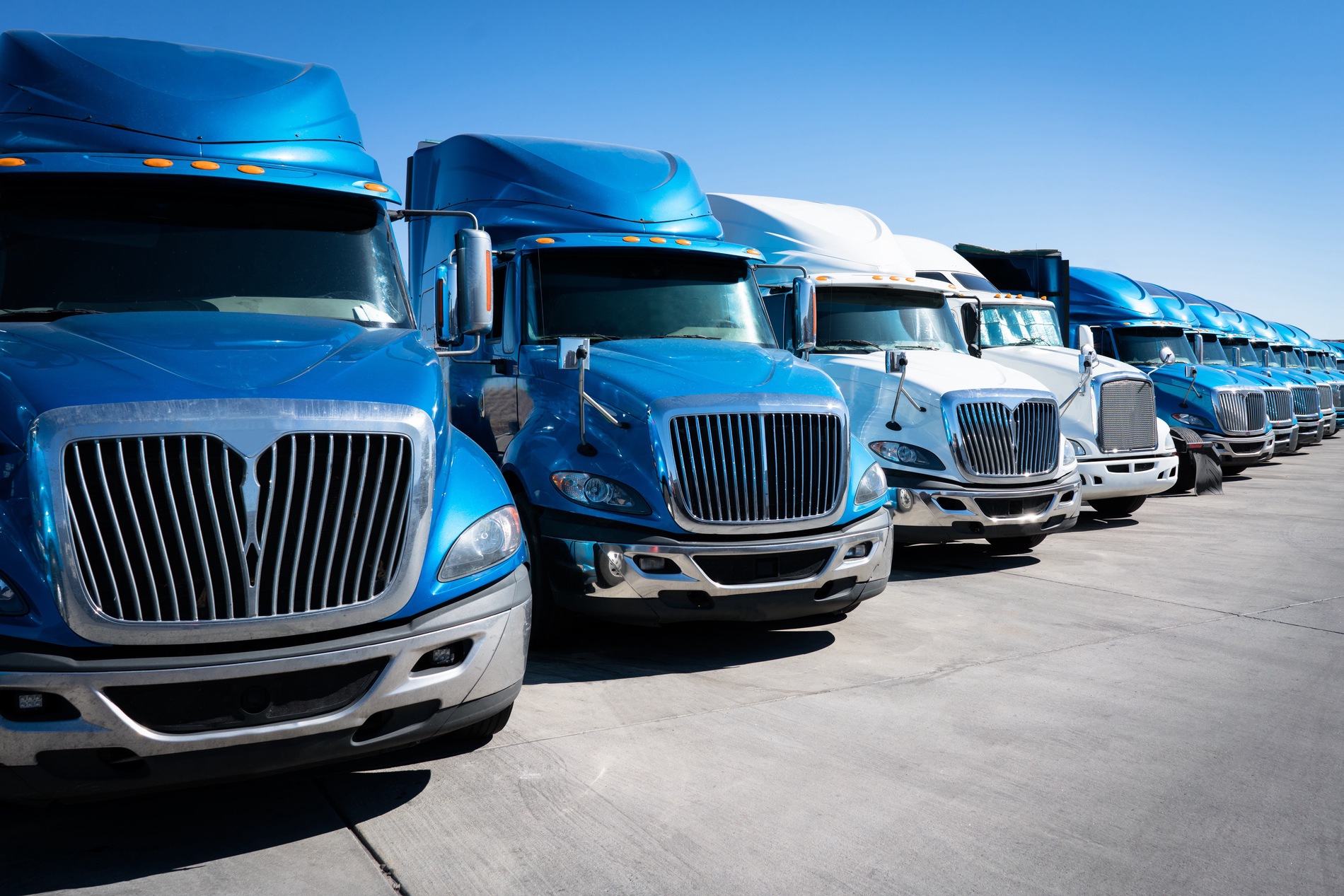
Choosing the right truck insurance coverage is essential for protecting your business, drivers, and assets. With various options available, it’s important to understand the different types of coverage and how they fit your specific needs. In this guide, we’ll walk you through the key factors to consider when selecting the right truck insurance for your fleet, ensuring you have the best protection and peace of mind.
1. Understand the Different Types of Truck Insurance
Before choosing a policy, you need to familiarize yourself with the various types of truck insurance and their purposes:
- Liability Insurance: This is the most basic and legally required form of insurance for trucking companies. Liability insurance covers damages and injuries to others if your truck is involved in an accident where your driver is at fault. It includes two main components:
- Bodily Injury Liability: Covers medical expenses, legal fees, and compensation if other parties are injured in an accident caused by your driver.
- Property Damage Liability: Covers the repair or replacement costs for damaged property belonging to others.
- Physical Damage Insurance: This insurance protects your trucks from damage caused by accidents, theft, vandalism, and natural disasters. It includes:
- Collision Coverage: Pays for damages if your truck collides with another vehicle or object, regardless of fault.
- Comprehensive Coverage: Covers non-collision-related incidents like theft, fire, vandalism, and weather damage (e.g., hail or floods).
- Cargo Insurance: Cargo insurance covers the goods being transported. If the cargo is damaged, stolen, or lost, this policy compensates for the value of the goods, protecting your business from financial losses.
- Non-Trucking Liability Insurance: Also known as "bobtail insurance," this policy provides coverage when your truck is being used for personal reasons, outside of business operations. It’s particularly useful for owner-operators driving their trucks when they’re not under dispatch.
- General Liability Insurance: This policy covers your business for incidents that don’t directly involve driving, such as accidents that occur while loading or unloading cargo, slip-and-fall accidents at your facility, or damage caused by your employees while operating equipment. Understanding these different types of coverage allows you to build a comprehensive insurance plan tailored to your business’s specific needs.
2. Assess Your Fleet’s Needs
Every trucking business has unique requirements, so assessing your fleet’s specific needs is crucial when determining the appropriate coverage. Here are some factors to consider:
Fleet Size and Types of Vehicles: The number and types of trucks in your fleet will significantly impact your insurance needs. For instance, larger fleets may benefit from policies offering bulk discounts or wide coverage options. Specialized vehicles, such as tankers or flatbeds, may require additional or specialized coverage.
Cargo Types and Value: The type of cargo you transport is a critical consideration. High-value items, hazardous materials, or perishable goods all have unique risks associated with them. For example:
If you transport high-value goods like electronics, you might need higher cargo insurance limits.
If you handle hazardous materials, specialized hazmat coverage is necessary to comply with federal regulations and ensure proper risk management.
If your trucks carry perishable items, such as food or medical supplies, refrigerated truck insurance (reefer insurance) is essential to cover losses in case of temperature control failures.
Operating Regions and Routes: The regions where your fleet operates can affect your insurance needs. Trucks that frequently travel across multiple states or regions may face different state regulations and risks. Additionally, operating in areas prone to extreme weather conditions or high theft rates may require additional coverage.
Driver Experience and Safety Record: The experience and safety record of your drivers play a major role in determining your insurance premiums. Fleets with experienced drivers and clean driving records often qualify for discounts. On the other hand, if your fleet employs newer or less experienced drivers, you might face higher premiums. Investing in driver training programs and monitoring driver performance with technology can help reduce risks and potentially lower insurance costs.
3. Compare Insurance Providers and Policies
Not all insurance providers offer the same level of coverage or pricing, so it’s important to shop around and compare options. Here’s how you can make an informed decision:
- Request Multiple Quotes: Contact several insurance providers and request quotes tailored to your specific fleet’s needs. Ensure that the quotes include the same types of coverage so you can compare them accurately.
- Review Coverage Limits: Pay attention to the coverage limits offered by different policies. Make sure the limits are adequate to cover potential risks, especially when transporting high-value cargo or operating in high-risk areas.
- Consider Deductibles: Deductibles are the out-of-pocket costs you must pay before your insurance kicks in. Choosing higher deductibles can lower your premiums, but make sure they’re still manageable for your business if an incident occurs.
- Look for Specialized Providers: Some insurance companies specialize in commercial truck insurance and may offer tailored packages that better fit your needs. They often have a deeper understanding of the industry and provide valuable risk management services.
4. Evaluate the Insurance Company’s Reputation
The reliability of your insurance provider is just as important as the coverage itself. You want to ensure that the company you choose has a strong track record for handling claims efficiently and offering good customer service. Consider these factors:
- Research Customer Reviews: Look for testimonials and reviews from other trucking businesses. Pay attention to how the company handles claims, especially in emergency situations. A provider with a reputation for quick and fair settlements is crucial for minimizing downtime after an accident.
- Check Financial Stability: It’s important to choose an insurance company with strong financial stability. A provider that is financially secure is more likely to pay claims promptly and handle large claims without issue. You can check ratings from agencies like A.M. Best to gauge the financial strength of the provider.
- Evaluate Customer Service: Having a provider that offers 24/7 support is crucial for trucking businesses, as accidents and breakdowns can happen at any time. Make sure the provider offers roadside assistance and emergency support services.
5. Review and Update Your Policy Regularly
As your business grows and evolves, your insurance needs may change. It’s essential to review and update your insurance policy regularly to ensure it still meets your requirements. Here’s how you can keep your coverage current:
- Add or Remove Vehicles: If you add new trucks to your fleet or retire old ones, make sure your policy is updated to reflect these changes. Failing to insure a new vehicle could leave you exposed to risks while keeping retired vehicles on your policy could mean paying for unnecessary coverage.
- Adjust Coverage Based on New Routes: If your fleet starts operating in new regions or states, check if your insurance covers these areas. Different states may have different requirements, and you might need to adjust your policy to comply with regulations or mitigate new risks.
- Take Advantage of Discounts: If you implement new safety measures, such as installing GPS tracking systems, dash cams, or conducting driver training programs, consult your insurance provider to see if these improvements qualify for discounts or lower premiums.
Conclusion
Choosing the right truck insurance coverage for your fleet is a complex process that requires careful consideration of your business’s needs, the types of coverage available, and the reputation of insurance providers. By understanding the different policies, assessing your fleet’s unique requirements, and comparing providers, you can build a comprehensive insurance plan that protects your business and minimizes risks. For personalized advice or to get a quote tailored to your fleet’s needs, contact us today and speak with one of our experts. We’re here to help you find the best insurance solution for your trucking business.