
Common Claims in Trucking and How the Right Insurance Can Protect You
09/01/2024
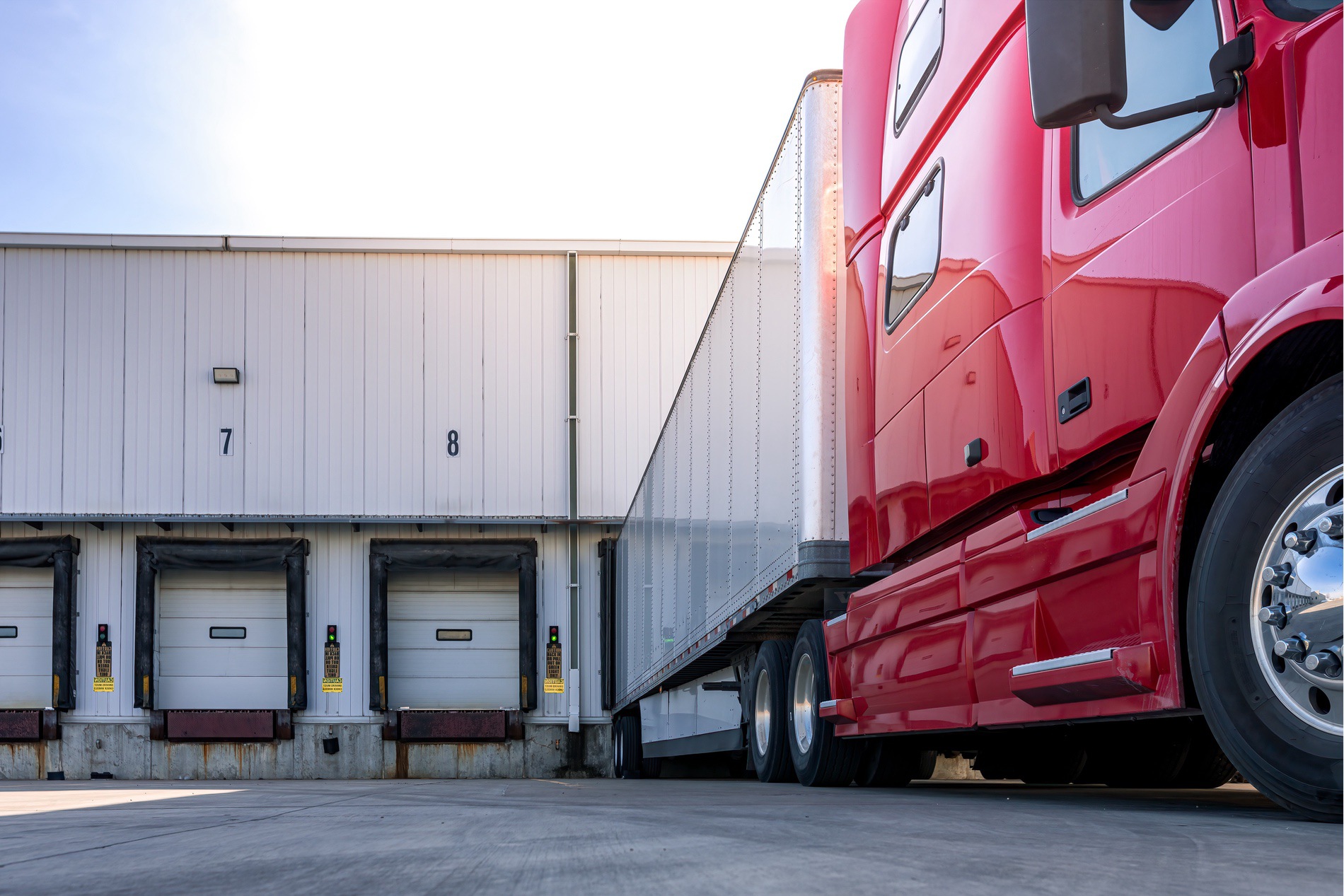
The trucking industry is vital to the economy, transporting goods across long distances and ensuring that products reach their destinations on time. However, with this critical role comes significant risk. Trucking companies face various challenges daily, and many of these challenges can lead to costly insurance claims. Understanding the most common claims in the industry and knowing how the right insurance coverage can protect your business is essential for minimizing risks and ensuring your operations run smoothly. In this article, we’ll explore the common claims in trucking and how insurance can provide the necessary protection.
1. Accidents and Collisions
The Risk
Accidents are one of the most frequent and costly claims in the trucking industry. Whether caused by driver error, adverse weather conditions, mechanical failures, or road hazards, accidents can result in severe damage to vehicles, injuries to drivers, and harm to other motorists or pedestrians. Even minor accidents can lead to significant downtime, repair costs, and potential legal battles, making them a significant financial burden for trucking businesses.
Common Causes
- Driver Fatigue: Truck drivers often operate under tight deadlines, leading to long hours on the road. Fatigue is a common factor in many truck-related accidents as it impairs reaction time and decision-making abilities.
- Weather Conditions: Rain, snow, fog, and icy roads are hazards that truck drivers frequently encounter. Poor visibility and slippery surfaces make it challenging to maintain control, increasing the likelihood of collisions.
- Mechanical Failures: Brake malfunctions, tire blowouts, or engine issues can occur, especially if trucks are not regularly maintained. Mechanical problems can lead to accidents, resulting in expensive repair costs and liability claims.
Insurance Coverage
- Liability Insurance: This is a fundamental requirement for all trucking companies. Liability insurance covers damages and medical expenses for other parties if the driver is at fault in an accident. It is crucial to protect your business from lawsuits and financial ruin.
- Physical Damage Insurance: This coverage helps repair or replace your truck if it is damaged in an accident. It includes both collision and comprehensive coverage, the latter of which protects against theft, vandalism, and non-collision incidents.
- Non-Trucking Liability Insurance: For owner-operators who use their truck for personal reasons outside of business operations, non- trucking liability insurance provides coverage when the vehicle is not under dispatch. By combining these coverages, trucking businesses can protect themselves from the financial and legal consequences of accidents, ensuring that they can get back on the road as quickly as possible.
2. Cargo Theft and Damage
The Risk
Cargo theft and damage are common issues faced by trucking businesses. With millions of dollars worth of goods transported daily, trucks carrying valuable cargo are prime targets for thieves. In addition, improper loading, accidents, or environmental conditions can lead to cargo damage during transit. These incidents can cause significant financial losses and disrupt operations.
Common Scenarios
- Theft During Stops: Cargo theft often occurs when trucks are parked at rest stops or overnight locations. Thieves may break into trailers or even steal entire trucks.
- Damage During Transit: Cargo can be damaged due to poor road conditions, sudden stops, or improper loading techniques. Fragile or perishable goods, such as electronics or food products, are especially vulnerable.
- Environmental Damage: Extreme weather conditions, such as flooding or excessive heat, can also impact cargo. This is particularly true for goods that require climate-controlled transportation.
Insurance Coverage
- Cargo Insurance: Cargo insurance is specifically designed to protect the value of the goods being transported. If cargo is stolen or damaged during transit, this insurance reimburses the trucking company for the value of the lost or damaged items.
- Refrigerated Truck Insurance (Reefer Insurance): For companies that transport perishable goods, refrigerated truck insurance covers losses due to mechanical failures in refrigeration units, which can cause spoilage. Having the right cargo insurance ensures that your business does not suffer significant financial losses if goods are stolen or damaged, allowing you to continue operations with minimal disruption.
3. Weather-Related Damages
The Risk
Trucks are exposed to various weather conditions, and severe weather events can cause significant damage. Hurricanes, snowstorms, floods, and hail can all result in accidents, property damage, or loss of cargo. Preparing for these events is essential for minimizing damage and ensuring the safety of your drivers.
Common Weather-Related Incidents
- Hurricane and Storm Damage: Strong winds and heavy rain can cause accidents, tip trucks, or flood vehicles. Coastal routes are especially vulnerable during hurricane season.
- Snow and Ice: Icy roads increase the risk of sliding and collisions, while heavy snowfall can block routes, stranding drivers and cargo.
- Flooding: Flash floods can occur unexpectedly, especially in low-lying areas, leading to water damage to trucks and cargo.
Insurance Coverage
- Comprehensive Insurance: This type of insurance covers non- collision incidents, including weather-related damage. Whether your truck is damaged by hail, floods, or fallen trees, comprehensive insurance provides financial protection.
- Business Interruption Insurance: Severe weather can cause significant delays or damage that interrupts your operations. Business interruption insurance covers lost income during periods when your trucks are unable to operate due to damage or blocked routes. Ensuring that your fleet is protected from weather-related damages with comprehensive and business interruption insurance can save your business from unexpected costs and downtime.
4. Mechanical Failures and Equipment Breakdown
The Risk
Mechanical failures and equipment breakdowns are common issues in the trucking industry, especially for fleets that operate older vehicles. Engine problems, brake failures, and other mechanical issues not only lead to costly repairs but can also result in accidents if they occur on the road. Proper maintenance is key, but even the most well-maintained vehicles can encounter unexpected breakdowns.
Common Mechanical Issues
- Brake Failures: Brake malfunctions can cause accidents, particularly in heavy traffic or when driving downhill. These incidents can lead to significant liability claims.
- Tire Blowouts: Tire blowouts are not uncommon, especially during long hauls. They can cause loss of control, leading to accidents and damage to the truck.
- Engine and Transmission Problems: Engine or transmission failures can leave trucks stranded, leading to costly towing and repair expenses, as well as delays in delivery.
Insurance Coverage
- Physical Damage Insurance: Covers repairs for vehicles damaged by mechanical breakdowns, ensuring your truck can be fixed and returned to service quickly.
- Roadside Assistance Insurance: This insurance provides coverage for towing and roadside repairs, helping to minimize downtime and get your truck back on the road as soon as possible. Having the right coverage for mechanical failures ensures that unexpected breakdowns do not result in substantial financial losses or prolonged operational delays.
5. Liability Claims from Third Parties
The Risk
Trucking companies are often at risk of liability claims from third parties, such as pedestrians, other motorists, or businesses. These claims may arise from accidents, property damage, or injuries caused by a truck during its operations. Legal expenses and settlements can be financially crippling if the company is not adequately insured.
Common Scenarios
- Pedestrian Accidents: In urban areas, trucks may have to navigate crowded streets where the risk of pedestrian accidents increases.
- Property Damage: Trucks may accidentally damage property, such as buildings, parked vehicles, or infrastructure, while maneuvering in tight spaces.
Injuries to Other Motorists: Accidents involving other vehicles can lead to injury claims, which can result in legal battles and costly settlements.
Insurance Coverage
- General Liability Insurance: This insurance covers damages and injuries to third parties and their property, protecting your business from legal claims and financial loss.
- Umbrella Insurance: For businesses that require higher coverage limits, umbrella insurance provides additional liability coverage beyond the standard limits of your general liability policy. Investing in liability insurance is essential for safeguarding your business from costly claims and legal fees that could arise from third-party incidents.
Conclusion
The trucking industry faces a wide range of risks daily, from accidents and cargo theft to weather-related damages and liability claims. Understanding these common claims and securing the right insurance coverage is crucial for protecting your business, drivers, and assets. By choosing comprehensive policies tailored to your needs, you can minimize financial risks and ensure that your operations continue smoothly, even when the unexpected occurs. For more information on the right insurance coverage for your trucking business or to get a personalized quote, contact us today to speak with one of our experts.